First Maunga Kereru workshop
- stu14089
- Apr 6, 2016
- 4 min read

Notes taken from Maunga Kereru workshop
Biodynamics - working with biology and energy ( - dynamics)
Bio geometry - Dr Emoto
We are water
Biodynamics - Homer Farming
difference between biodynamics, biological farming, permaculture and organics
Organics
no chemicals, but use elements which are not always good for the biology
not thinking through biology
monoculture
lowest bar of certification
Biological farming
thinking through the biological systems
Permaculture
design tool
energy
energy input vs energy output
large focus on shape
wind
sun
When setting up a garden you want to have different zones
1st zone: go into all the time = close
2nd zone: don’t go to as often = further away
Biodynamics
goes beyond biosphere
preparations 500 - 507
planetary forces
Quantum physics
Rhythmic and arhythmic (out of rhythm)
Think to your plants
Convince
Biogeometry - physics of quality
Science vs Nature
Science
Isaac Newton
left brain
analytical approach
- Goethean science - scientist and philosopher
Gertian approach
Steiner - rigid
INTERGRATION
between left and right

Becoming and unbecoming
clay in centre, silica at one end and calcium at the other end POLARITY DIAGRAM
Full moon - cells in plants elongate slightly
suckers come out (bugs)
Biodynamics is a slower process
vegetables prefer to grow in a consistent growing pattern.
But biodynamics is just the icing on the cake. First we need the cake (soil, garden, gardening methods i.e. permaculture, biological farming etc.)
We are working with quantitive and qualitative space.
cow horn: shape and antenna
spiral
horns connect cow with environment
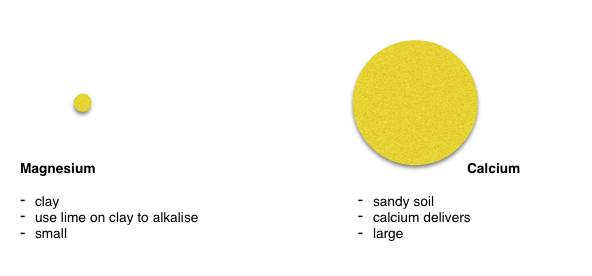
Biodynamics works between silica and lime
500 - lime based
don’t do 501 unless you have done 500 twice (at least)
shape and material affects energy
horn = shape
vortex inside - spiral (shape)
milking cows - changes quality of the manure (material) Must be from organic dairy farm
should do by hand (intention and thought)
We want to be using materials that are bioavailable (available for a plant to use)
Plant matter is always bioavailable to other plants.
right relationships of chemical elements.
501 - quartz silica
radiates light and has energetics
water - need to have had some rain to do 500 and 501
water = conjuant
Tool kit
500 - twice before 501
need to use 500 within the first 6-8 months
energy with harmony
energy which is non-harmonic
Cow Pat Pit (CPP) - balanced
filled with micro organisms
synth ropy
used biology to create biology
soak seeds
use when planting out of moon cycles
cocoons in good pattern
use before planting
dip roots of seedlings in before planting
seeding in - water in with CPP
spray around
Don’t want to over use manure
cow poo is least acidic
plant friendly immediately
Bach herb and animals have different relationships to planets
Liquid fertiliser teas
seaweed
comfrey
preparations
Valerian - silica - Saturn - outside boundary or sheath of our solar system, knows well what its skin is.
gives plants strong outer sheath and is warming
weak outer sheath = eaten by bugs
Bacashi
intense biological product
needs to be watered down or inoculated into compost
pathogenic and beneficials
anaerobic and aerobic
All boundaries and sheaths
make sure beneficials are there before pathogenic
inoculate
one handful of worm castings buried in deep is enough to sustain a plant for 2-3 months
The Ascending and Descending moon relate to water
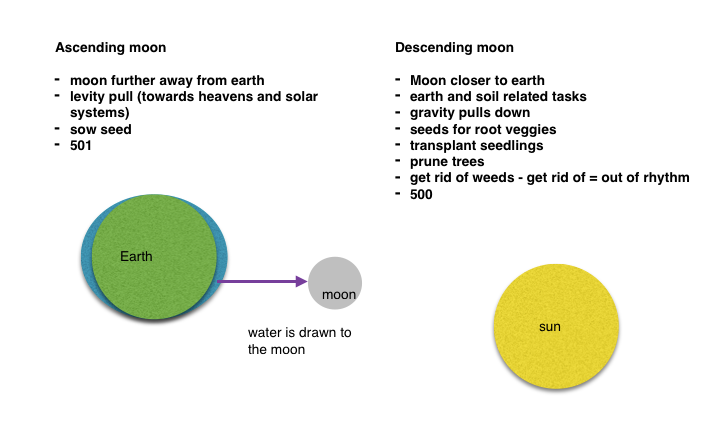
Maria Thun
Maria Thun tested constellations, planets and the biodynamic ascending and descending moon.
If you can’t be perfect with the planetary rhythm use CPP.
Test things planted on different constellation days.
Get it wrong to get it right - learn from your mistakes.
On a node it is a good time to cut weeds and grass - slow
regrowth

On the biodynamic planting calendar…
Ag = Apogee (moon is closest to the earth)
Pg = Perigee (moon is the furthest away from the earth)
Compost
To be done in a descending moon
Building with nitrogen and carbon
must have water and oxygen all the way through
Should be no wider than 1.2m, but can be as long as you would like.
Shape is of high importance
clear shape
anything outside/sticking out gets woven back into the heap
consistent layers all with similar/same thickness or depth.
24 carbon : 1 Nitrogen
seaweed
cow poo
organic coffee grounds
grass clippings
kitchen waste - micro organisms
calcium - limes
silica - sand
blood and bone or dead animal (not killed by poison)
Layers
Dry leaves - carbon (absorbs and is static)
teepees of sticks to allow airflow
moisten/soak the dry leaves
liberal sprinkling of lime
sand
dry grass
cow poo and water slurry to nitrogen and water fix
then soak the edges with a hose
KEEP THE SHAPE - weave in from the outside so the inside can look after itself
egg shells crushed
ash from the fire
food waste (nitrogen)
dry grass/hay
worm castings
seaweed soak of cow poo slurry
limes (calcium - worms love)
sulphur - ground aquatic creatures
sand - silica
grass clippings
poo slurry
seaweed soaked in cow poo slurry
limes (2-3 handfulls)
dry grass soaked in cow poo slurry
food waste - chop up big bits
seaweed in cow poo slurry
chopped up green matter (we used pulled out weeds like calla lilies)
last layer hay or other dried grass
Once the compost heap has been made make five truffle sized balls with the best soil you can find from your property. Press a dent into each of the balls, then each ball will have a small pinch of a different preparation (502-506) inserted into them and closed up. With a broom stick you then push a tunnel into the top of the heap, as well as one into each side, one preparation ball gets pushed arms length into the compost heap in each of the tunnels made.
Then, in a bucket, put a small splash of 507 (valerian) then dilute it with about half a bucket of water. Vortex for 20mins. splash all of this over the compost heap to give it a warm sheath.
Cover with hessian sacks and tarp, leave for at least six months, then turn it, opening it up so the outside goes to the middle and the middle goes to the outside. This turning process will input oxygen and re-start the fire.
Maunga Kereru blog posts on compost making - good to refer back to:
http://maungakereru.blogspot.co.nz/2014/04/biodynamic-compost-success-failure-and.html
http://maungakereru.blogspot.co.nz/2014/02/how-we-made-our-biodynamic-compost.html
http://maungakereru.blogspot.co.nz/2012/03/all-important-balls-part-two-of-bio.html?q=compost
http://maungakereru.blogspot.co.nz/2012/03/magic-balls-part-three-of-bio-dynamic.html?q=compost
Comments